

For many older adults, modern technology such as smartphones, tablets, and the endless array of apps, often feels like a hurdle.
It can be overwhelming, full of unfamiliar jargon, and accompanied by a nagging fear of “pressing the wrong button.”
But, when we look past the frustration, we find a powerful truth: technology isn’t just for the young.
For seniors, it is a vital bridge to a richer, more independent, and connected life.
Moving across the “digital divide” isn’t about becoming a computer whiz; it’s about unlocking tools that genuinely improve your daily quality of life.
At Senior Tech Tutor, we see this transformation happen every day right here in Marin.
When fear is replaced with foundational knowledge, technology becomes an empowering ally.
As visualized in the chart below, the impact of tech adoption on senior lives is both significant and multifaceted.
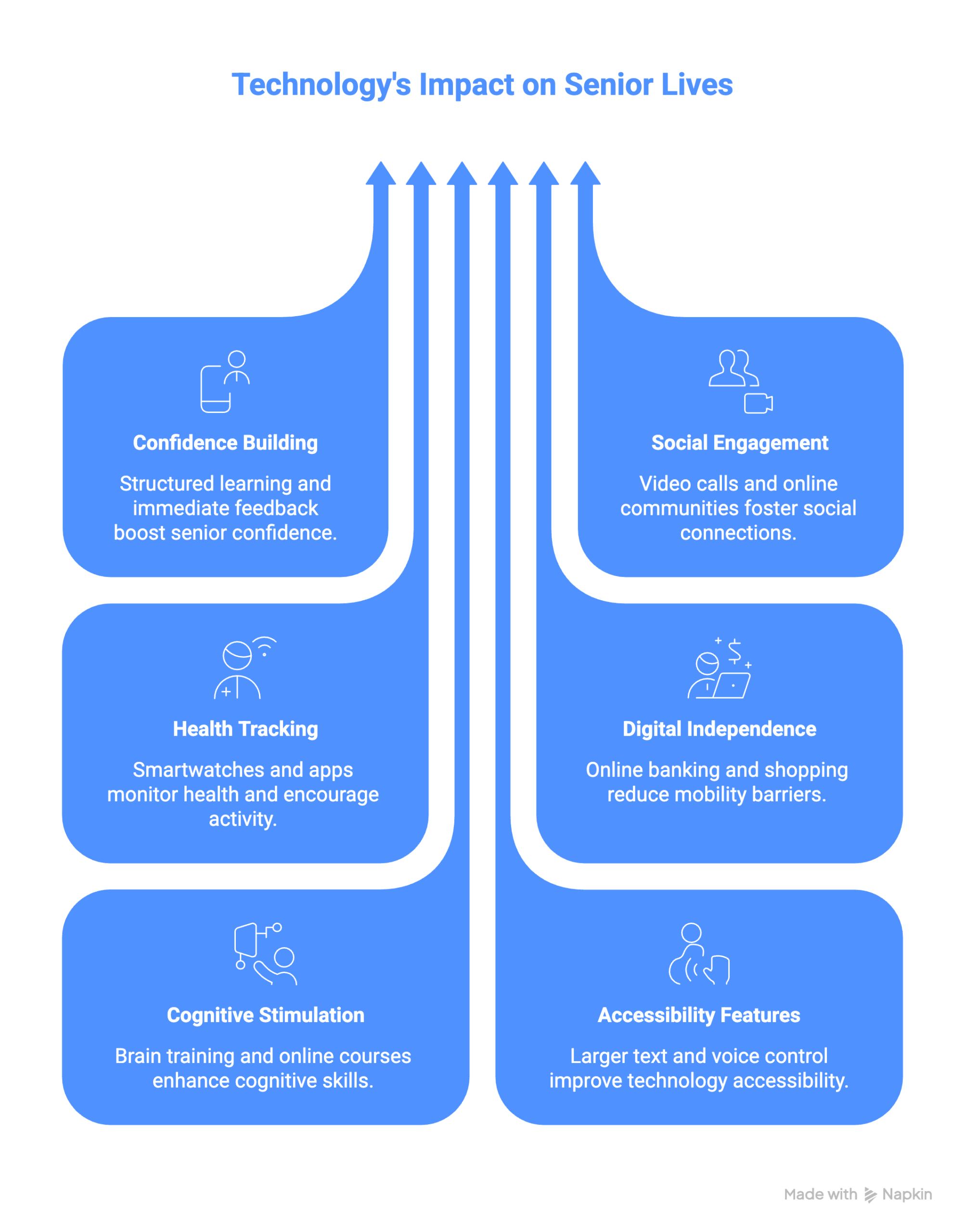 Figure 1: A visual overview of how modern technology supports senior well-being, independence, and connection.
Here’s a brief look at the key areas where technology is redefining what it means to age well in the 21st century.
Over the coming weeks, we will dive deeper into each of these topics.
Confidence Building
The journey starts here.
Many seniors hesitate to use tech because they lack a safe space to learn.
Through structured, one-on-one learning and immediate, patient feedback, the fear of “breaking it” disappears.
Celebrating small wins, like finally understanding iCloud or sending a photo via text, builds tremendous self-assurance that spills over into other areas of life.
Social Engagement and Emotional Well-being
Isolation is a significant health risk as we age.
Technology is a powerful antidote.
It’s more than just scrolling Facebook; it’s high-quality video calls with grandchildren across the country, joining online interest groups, and sharing memories.
These digital connections provide essential emotional support and a renewed sense of belonging.
Health Tracking and Practical Support
Modern devices can act as proactive health partners.
Apple Watches monitor heart rates and activity levels, encouraging daily movement.
Furthermore, apps provide practical support systems, offering crucial reminders for medications and doctor appointments, providing peace of mind for seniors and their families.
Digital Independence
Maintaining autonomy is paramount.
When a senior can securely manage their banking from an iPad, order groceries for delivery when mobility is low, or handle their own email correspondence, they retain control over their lives.
Technology removes barriers that once required reliance on others.
Cognitive Stimulation
Keeping the mind sharp goes beyond traditional crossword puzzles.
Technology offers engaging brain-training apps, digital puzzles, and access to online courses on virtually any topic.
Engaging with these tools fosters continuous learning and mental agility.
Accessibility Features
Finally, none of this works if you can’t see or hear the device.
Today’s technology comes with incredible, often hidden, accessibility features.
Larger text sizes, simplified interfaces, and voice assistants like Siri or Alexa make these powerful tools usable for everyone, regardless of physical changes.
The Next Step
Embracing technology is a journey, not a race.
It’s about finding the right tools that help you thrive.
Read on, as we explore practical tips and real-world examples for each of these vital areas.